

Glass
Glass for visibility, colour and surface detail
Glass can keep a view open, introduce colour or carry a decorative pattern across a surface. On a tabletop, shelf, display or interior panel, those choices change how the glass itself and the objects around it are seen.
Sheen Interiors supplies clear and coloured options, with construction and surface treatments selected for the application. Start with the appearance you want, then consider how the glass will be used.

Standard clear or extra-clear (low-iron)?
Standard clear glass
Standard clear glass has a slight green cast, often more noticeable at an exposed edge or against a pale background. Consider whether that colour sits comfortably beside the surrounding finishes or the objects viewed through it.
Extra-clear, also called low-iron
Reduced iron content gives extra-clear glass less of the characteristic green cast. It is useful when the colour of a pale surface or a displayed object matters to the design. Low-iron describes the glass’s appearance, not its strength.
Compare clear and low-iron samples against the same background, in the intended lighting and at comparable thicknesses. Look at both the face and the edge: a small front-on sample alone may understate the colour visible along a finished edge.
Choosing a glass tint
Tinted glass is coloured glass. The supplied options include light and dark grey, brown, blue and green. Colour affects both the surface you see and the view through it; it is separate from tempering, lamination or an applied pattern.
| Tint | What to compare | Why it matters |
|---|---|---|
| Light and dark grey | The difference in visual depth against the same background. | A darker tone can make the glass more prominent in the composition. |
| Brown | Its warm colour beside neighbouring finishes. | The tint becomes part of the palette rather than a neutral view through it. |
| Blue | How the blue tone changes the appearance of objects behind it. | Colour contrast may be welcome in a decorative panel but less useful for faithful product display. |
| Green | The intended green tint across the face. | A chosen green colour is different from the slight cast of standard clear glass. |
A tint does not by itself establish privacy or suitability for a particular glazing application.
Tempered and laminated glass
Tempered glass
Tempering heat-treats glass so that, if it breaks, it typically fragments into small pieces rather than long, sharp shards. It is a construction choice, separate from whether the glass is clear or tinted. A colour sample alone cannot establish the construction needed for a top, door or partition.
Laminated glass
Laminated glass combines glass layers with an interlayer that can hold fragments together if the glass breaks. That differs from tempering a pane. The required composition depends on the application; lamination alone is not a claim of a particular security, acoustic or structural rating.
Both tempered and laminated glass are supplied. They are not necessarily mutually exclusive, but the available combination of colour, construction and treatment needs to suit the intended use.
Texture, decoration and exposed edges
Sandblasted areas and engraved lines
Sandblasting creates a textured, frosted area that softens the view through the treated surface. Engraving defines lines or patterned detail. Broad coverage and fine linework have different effects: one reduces the clear area, while the other can leave more of the view open between the marks.
Printed and stained treatments
UV printing and stained treatments add colour or decoration to the surface. Unlike an overall glass tint, the design can concentrate colour in selected areas. Consider the pattern’s scale and coverage, and how much of the background should remain visible.
The visible edge
A flat-polished edge has a flat, finished face; a pencil-polished edge has a rounded profile. A bevel creates an angled border that catches light. Choose the edge for its contribution to the object, with the profile checked against the glass construction and application.
Selecting for use and caring for the surface
Match the material to its role
For a display or shelf, decide whether the merchandise or the glass colour should draw attention. On furniture, a transparent surface also reveals the base beneath it. On a partition, clear areas, tint and patterned coverage shape the view between spaces.
These visual choices do not settle the load, impact or fixing requirements. For a commissioned piece or architectural application, explore Mirror & Glasswork to discuss the appropriate specification and scope.
Clean for the actual surface
Use a clean, soft cloth and a non-abrasive cleaner suitable for the glass and any applied treatment. Remove loose grit before wiping, and avoid abrasive pads or scraping tools that can mark the surface.
Printed, stained and textured areas may need different care from an untreated smooth face. Follow the care guidance for the selected treatment rather than assuming one glass cleaner suits every surface.
Products using Glass
Explore products using Glass, with each product page explaining its design and material specification.

QAR 895

QAR 4,450

QAR 1,295
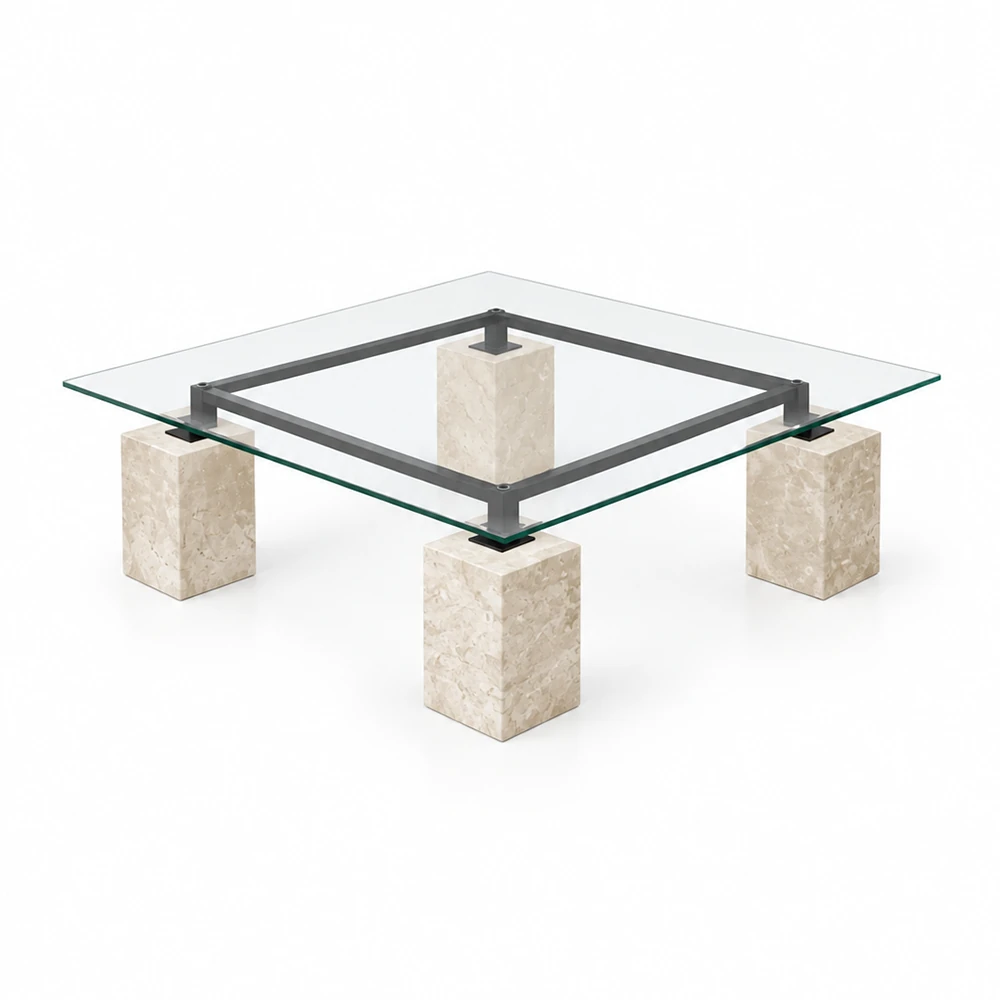
QAR 4,475
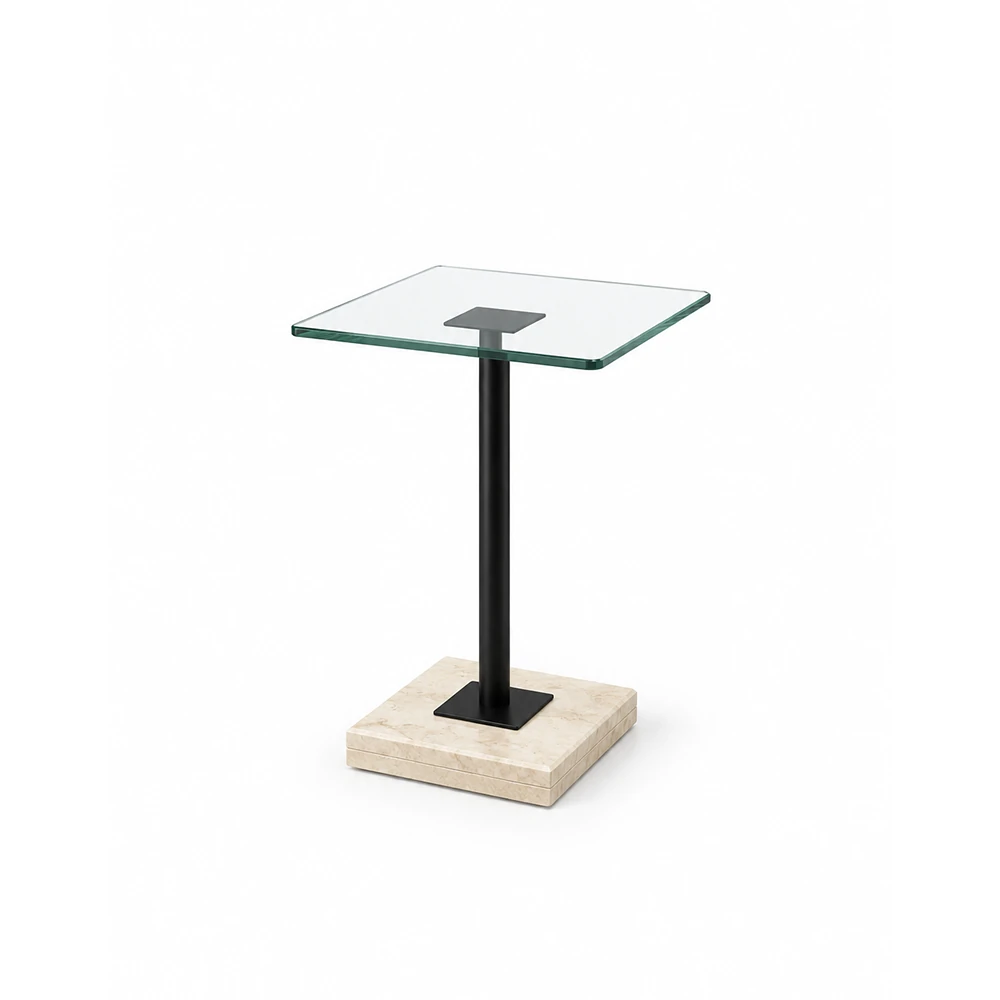
QAR 780

QAR 2,950
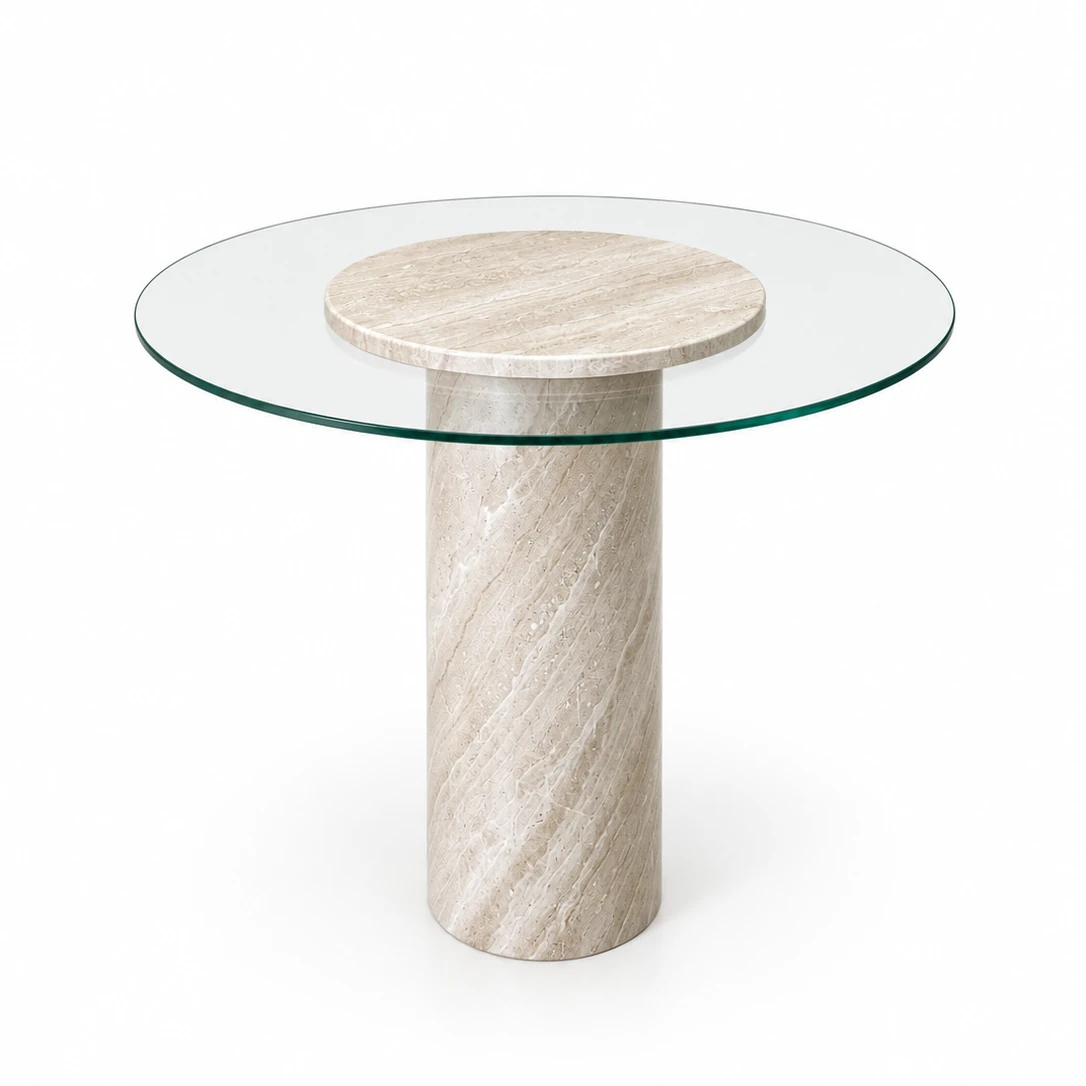
QAR 3,125
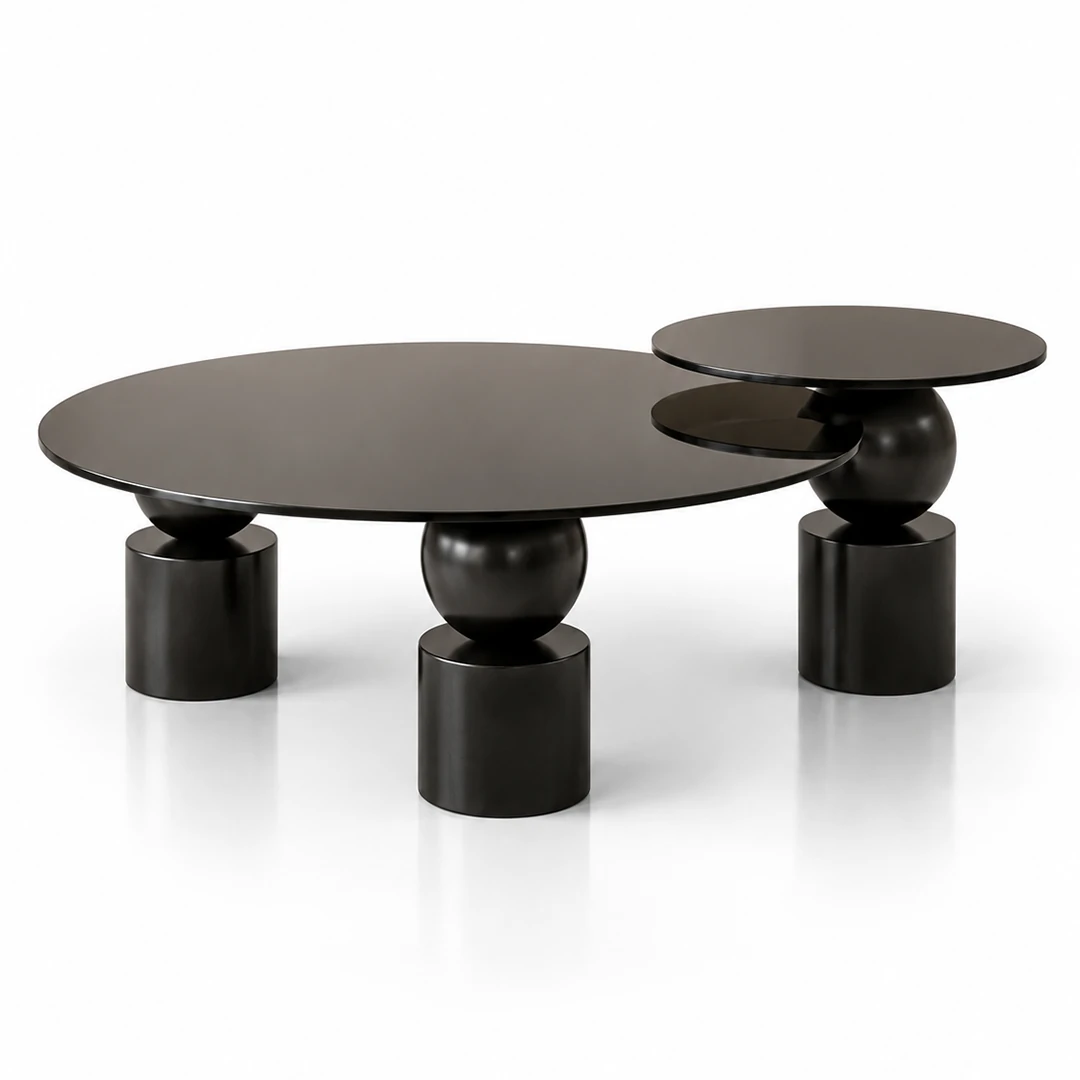
QAR 4,850
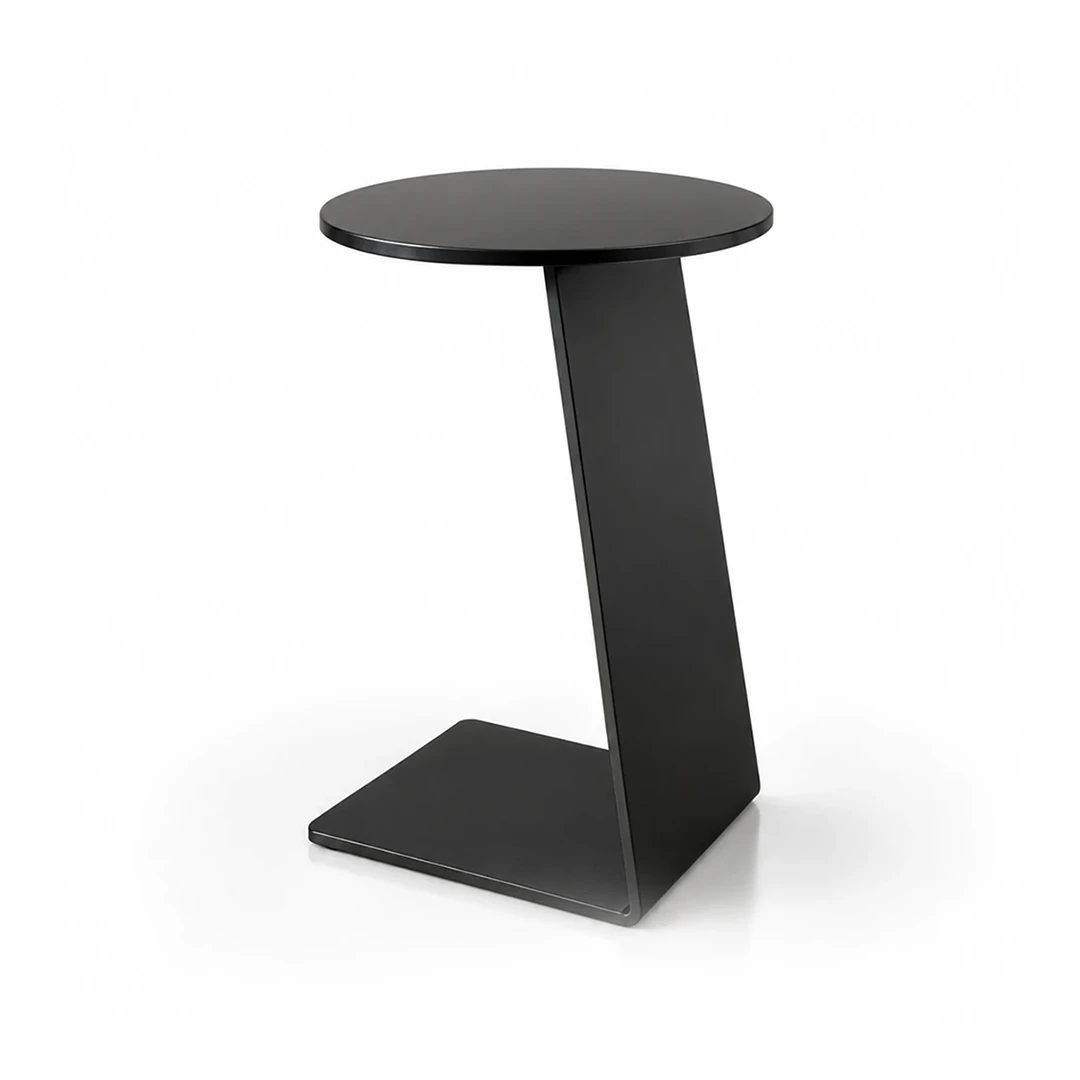
QAR 895
Projects using Glass
Explore completed projects using Glass and its role within each setting.

Discuss your glass material selection
Tell us where the glass will be used and whether clarity, colour or decorative detail matters most. We can help you consider the material choices for that setting.