

Custom Fabrication
Custom Fabrication is for a bespoke piece or fixture made around a particular purpose, shape and setting. The scope includes furniture, display fixtures and interior details in Qatar, whether the design uses one material or brings several crafts together.
Begin with the object you need and what makes its requirements specific. It may be a reception counter with working storage, a display stand shaped around the merchandise or a furniture piece whose proportions need to suit a particular space.
Defining the object before its components
A drawing can establish a starting design; photographs and references can explain an intended form or appearance. Identify which features matter most rather than treating every detail of a reference as equally important.
The intended use and location give those references practical meaning. Overall dimensions, how the piece is approached and the elements it must meet help determine which features can carry into the commission. Describe any need to move, separate or reassemble the object, since that affects how its parts can connect.
Bespoke furniture as a complete piece
Furniture needs its usable space considered alongside its outline. A table’s base affects room beneath the top; a console’s depth affects the route past it; a storage piece needs its internal arrangement to work with the front composition.
Where materials are combined, decide which part establishes the main form and which provides a contrasting surface, support or detail. Stone on a wooden base and metal joined to a stone component create different visible connections. The commission concerns how those parts become one piece, not simply the selection of separate materials.

Display fixtures and fitted details
A display fixture begins with the objects it presents and the way people use it. Merchandise size and grouping inform rail widths, shelf positions, surfaces and spacing. Customer visibility needs to work alongside staff access for handling and replenishment.
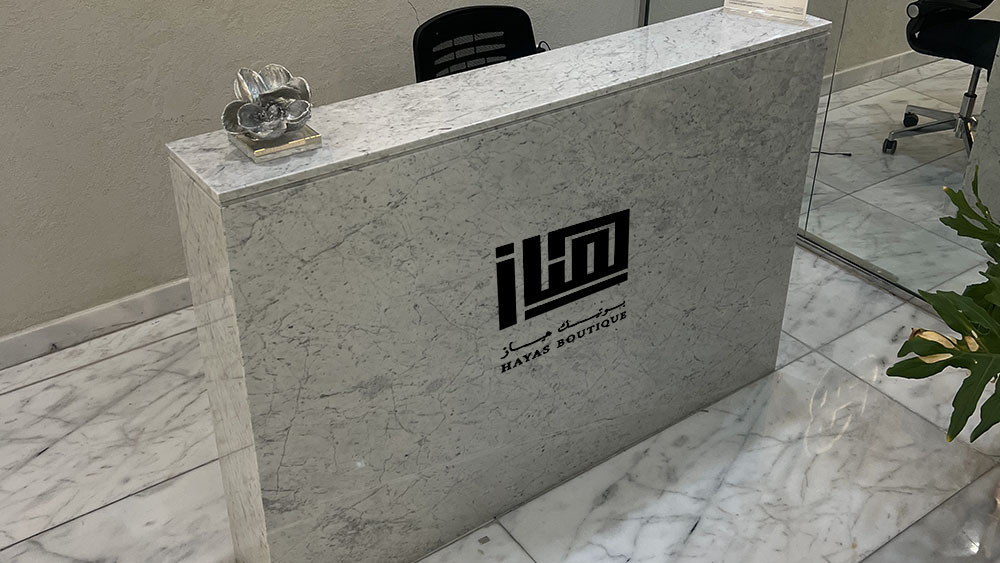
A reception counter adds a working side as well as a public face. Its depth, rear storage and relation to the surrounding area should be explained in the brief. For a fitted detail, identify where the work ends and how it meets the existing interior, so the object’s commission remains distinct from a complete shop or room fit-out.
Bringing materials and crafts together
Where crafts meet, the junction becomes part of the design. A metal rail and stone base need their alignment and connection considered together; a wooden support and shaped stone top need to relate in footprint and proportion.
Visible edges, changes in surface level and the meeting of finishes affect how the finished piece reads. The brief should distinguish an intentional contrast from a transition that needs to appear continuous. These decisions give each specialist contribution a defined relationship to the whole object.
Material properties and care are separate selection questions. Use the materials library for individual guidance, then bring the chosen materials back to the construction and use of the piece.
Settling the fabrication and installation scope
Before making the piece, the brief needs to become a clear set of decisions about dimensions, materials, finishes and detailing. A preferred silhouette may already be settled while a surface choice remains open; identify those differences rather than leaving a reference image to stand for the entire specification.
Assembly and installation need their own scope. State whether the work is a complete item or a component, what must connect to it and whether it will be fitted on site. Access and any requirement for later movement can affect the arrangement of parts.
Discuss budget and timing priorities alongside the features that matter most, so the proposal can address the intended scope and priorities.
Choosing the right route for your brief
Use Custom Fabrication for the complete bespoke object or fixture. A brief focused on one craft can begin with Custom Woodwork & Joinery, Marble & Natural Stonework, Mirror & Glasswork or Metalwork Fabrication.
For changes to an existing furniture design, Tailored Living explains the adaptation route. If the brief concerns the room layout and a wider coordinated interior, explore Interior Design & Turnkey Fit-Out.
Explore delivered fabrication projects
Explore project records for the bespoke pieces and fixtures commissioned, the materials brought together and the scope delivered.
Discuss your custom fabrication commission
Tell us what you want made and how it will be used. Share available dimensions, drawings, photographs or references, and identify the appearance, material choices and practical requirements that matter most. Include the location and any assembly or installation needs.