

Aluminium
Aluminium where component weight matters
Aluminium is a silver-grey metal with a lower density than steel. It can be useful where the weight of a furniture or interior component matters.
The alloy and component design influence the material’s properties, so selection considers the expected use as well as weight.

A lighter base is one part of the finished piece
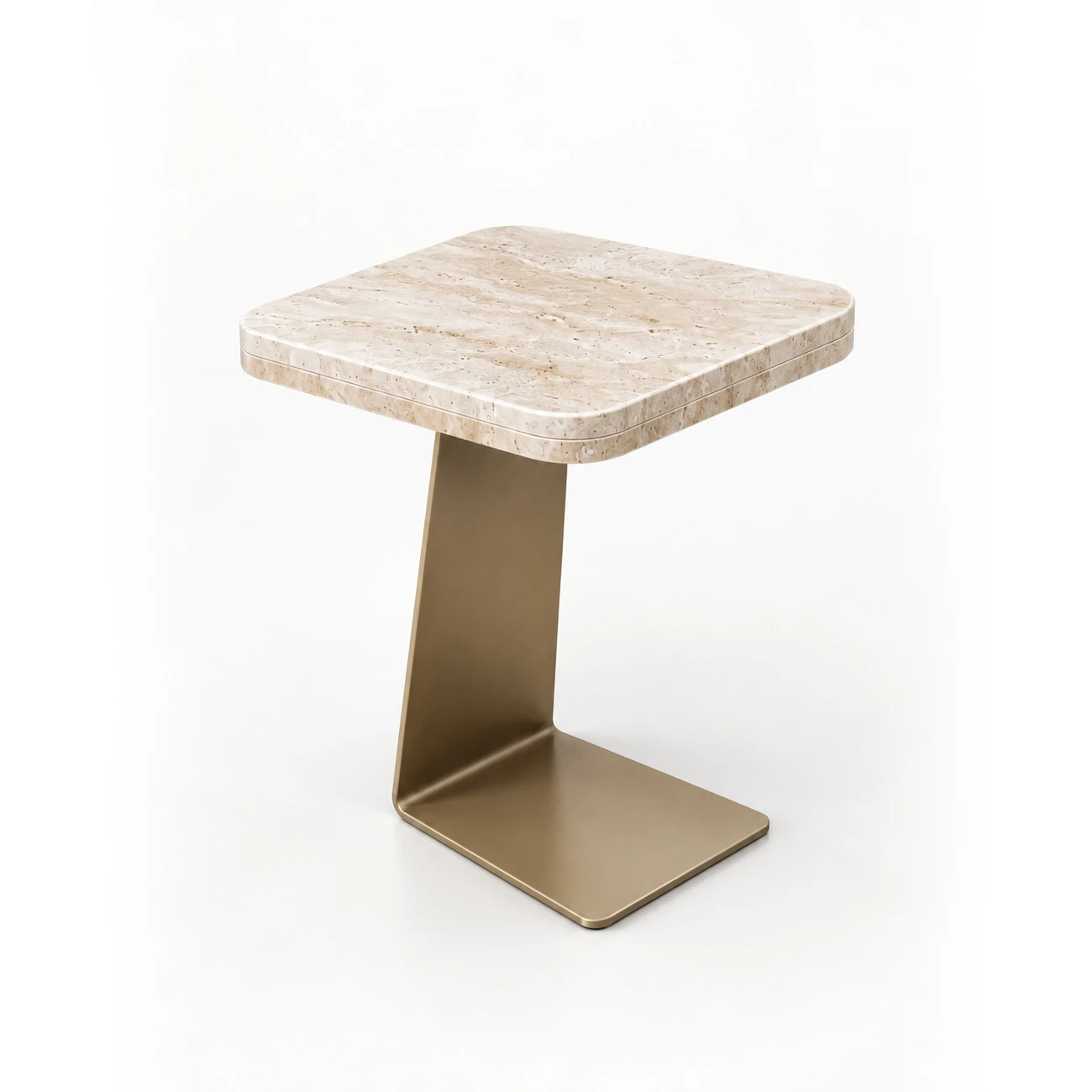
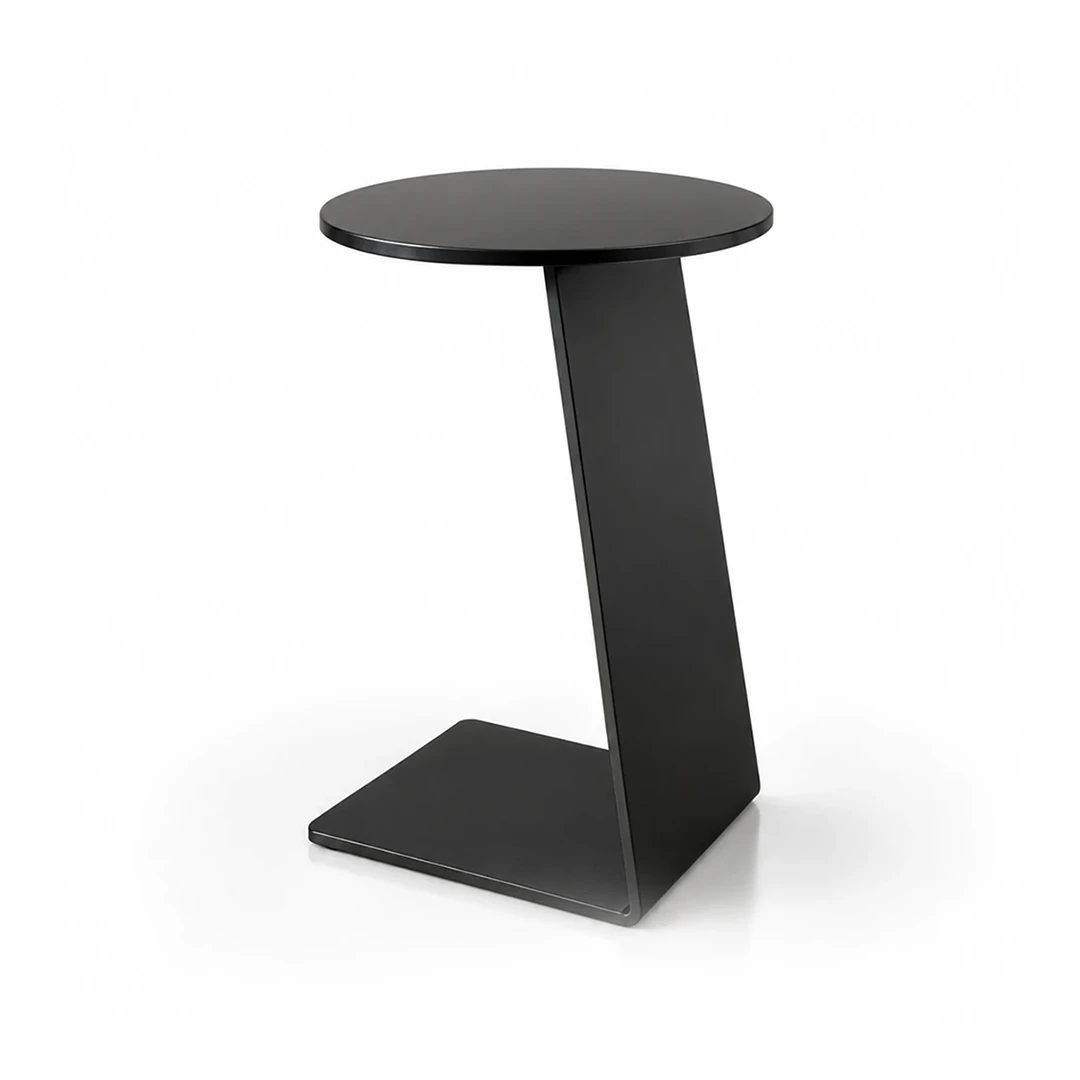
Aluminium is offered for lighter-weight serving-table bases where the furniture needs moving. Reducing the weight of the base can help, but a substantial top may still account for much of the complete table’s weight.
Balance and stability also depend on the whole piece, including its proportions and the distribution of weight. A lighter base is therefore one decision within the design, not a guarantee that the finished table will be easy to move or stable in every use.
The same distinction matters when selecting aluminium for other furniture and interior components. To compare complete pieces rather than the metal alone, browse Serving Tables.
Choosing the visible aluminium finish
Coloured surfaces
Paint and powder coating can give aluminium an opaque colour, allowing a base or detail to blend with surrounding furniture or provide contrast. Compare the colour and sheen on the intended surface rather than judging from the metal beneath it.
Metallic surfaces
Brushed or satin effects retain a directional metallic character; polishing produces a more reflective appearance. The achievable result depends on the selected aluminium and component. Compare a representative finish sample where adjoining visible parts need a consistent appearance.
Exposure and cleaning: consider the surface as well as the metal
Aluminium forms a thin oxide layer in air that contributes to its corrosion resistance. This does not make every alloy or finished surface suitable for every exposure. Moisture, cleaning chemicals and the chosen finish remain relevant to selection.
For making aluminium components and coordinating them with the rest of the work, explore Metalwork Fabrication.
Follow the care guidance for the actual surface, whether coated or metallic. Use a soft cloth, remove cleaning residue and avoid aggressive chemicals or abrasives unless specifically approved for that finish.
Scratches can change a polished or coated appearance. Do not apply a general metal polish to an unfamiliar surface: it may alter the finish rather than restore it.
Products using Aluminium
Explore products using Aluminium, with the design and material specification on each product page.

QAR 895

QAR 1,295
QAR 945
QAR 895

QAR 895
Discuss your aluminium selection
Discuss how the aluminium component will be used and the surface you want to achieve. We can consider material and finish choices for your furniture or interior project in Qatar.