

Crema Marfil Marble
Warm Cream and Beige Stone from Spain
Crema Marfil Marble comes from Spain and is valued for its warm cream-to-beige colour. It offers a pale stone surface with natural tonal variation and markings, rather than the uniform colour of a manufactured finish.
The choice is not simply between light and dark beige. Consider how the undertone sits beside adjoining finishes and how much natural movement you want across the surface. Compare the actual stone for your project instead of treating every piece carrying the name as identical.
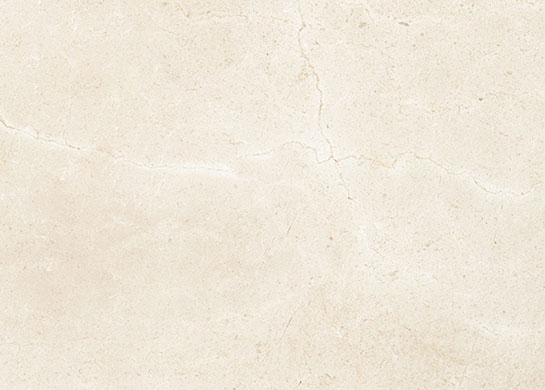
Reading the Colour Across the Face and Edge
A small sample helps establish the colour direction, but a larger face reveals changes in tone and the distribution of markings. On adjoining pieces, subtle differences can become more apparent where their edges meet.
Look at the visible sides as well as the main surface. A top, return and edge can each show a different part of the stone’s natural pattern. Selecting them together helps establish the degree of variation you want to retain in the finished work.

Crema Marfil Across Furniture and Interior Surfaces
On furniture, a warm pale surface can sit alongside timber or upholstery without the same light-dark contrast as black stone. Broad tops reveal more of the natural variation, while a smaller piece may carry only a limited part of the pattern.
For fitted surfaces, compare the stone with adjoining cabinetry, wall finishes and joints. Where the area will receive frequent spills, foot traffic or water, the finish and care requirements need to be assessed for that use. Colour alone is not a specification. Explore marble and natural stonework for the commissioned fabrication and installation scope.
Comparing Crema Marfil with Beige Travertine
Two warm stones can create different effects. Compare the actual selections for pattern and surface treatment, not colour alone. Travertine Beige Stone brings layering and natural cavities into that decision.
| Selection question | What to consider |
|---|---|
| Pattern | For Crema Marfil, assess tonal changes and the distribution of markings. With travertine, also consider the direction and prominence of its layering. |
| Surface treatment | Compare the proposed finish on each stone. For travertine, filling or leaving natural cavities open is a separate choice from honing or polishing. |
| Everyday use | Assess the cleaning and spill exposure of the intended surface. Neither a warm colour nor a polished finish establishes suitability for every application. |
A Polished Surface and Its Care Requirements
Polished and requested alternatives
Crema Marfil is commonly available polished. Its reflective surface adds light and sheen to the warm colour, so assess it alongside nearby windows and lighting. Alternative finishes can be requested, with suitability established for the selected stone and intended application.
Cleaning, spills and sealing
Clean with a neutral natural-stone cleaner, rinse and dry with a soft cloth. Blot spills promptly, keep loose grit off the surface and avoid acidic cleaners or abrasive pads. Use coasters under drinks and mats beneath hot dishes on furniture.
Acid contact can etch the surface, leaving a dull mark that differs from a stain. An impregnating sealer may reduce staining but does not prevent acid etching. Follow the treatment-specific care guidance rather than assuming the stone needs sealing at a fixed interval.
Products Using Crema Marfil Marble
Explore finished pieces using Crema Marfil Marble and compare their individual forms and specifications.

QAR 4,450

QAR 3,650

QAR 1,370

QAR 1,280

QAR 1,220

QAR 3,650

QAR 6,450
Discuss Crema Marfil for Your Project
Share the surface you are planning and the colours it will meet. The material consultation can help focus your selection on the warmth, variation and finish you want, together with the care the finished surface will need.