

Stainless Steel
Stainless steel: grade and surface are separate choices
Stainless steel brings a silver-toned metallic surface to furniture and interior elements. Its appearance can range from a directional satin texture to a clear, reflective polish.
Sheen offers 304 and 316 stainless steel. Grade and finish answer different questions: the grade influences corrosion resistance, while the surface treatment shapes the visible result. A polished appearance alone does not identify the grade.

Choosing between 304 and 316
| Grade | Meaningful distinction | Selection question |
|---|---|---|
| 304 | A chromium-nickel stainless steel used for many furniture and interior applications. | What moisture, salts and cleaning products will the surface encounter? |
| 316 | Contains molybdenum, which improves resistance to localised corrosion associated with chlorides compared with 304. | Does the expected exposure call for this additional resistance? |
Neither grade is immune to corrosion. Salt exposure, retained moisture and cleaning conditions still matter; 316 is not an automatic specification for every coastal or wet setting. Choose the grade for those conditions, then consider the finish you want to see.
Brushed, mirror-polished and coloured surfaces
Brushed and satin surfaces
A brushed finish gives the surface a visible direction and a softer reflection than mirror polishing. On a broad face, the grain becomes part of the design; on a narrow frame, it can emphasise the length of the metal.
Mirror-polished surfaces
Mirror polishing creates a more distinct reflection, picking up surrounding colours and shapes. It can make a metal detail visually prominent, while fingerprints and surface marks may also be more noticeable on frequently touched areas.
PVD and electroplating offer routes to a coloured metallic appearance. They add a surface finish rather than simply changing the texture through brushing or polishing. The appropriate coating depends on the stainless surface and intended use; compare its colour and underlying texture together.
Choosing stainless steel for visible furniture and interior elements
For a furniture base or display element, consider how much of the metal will be visible and how often it will be touched. A surface handled every day needs a finish you are comfortable keeping clean, as well as the appearance you want beside wood, stone or glass.
Where the main aim is an opaque painted colour, Mild Steel is another material to assess alongside the required protection and use. For a component or assembly made to your brief, explore Metalwork Fabrication.
Caring for the selected stainless surface
Clean routinely with a soft cloth and a mild cleaning solution suitable for the surface, then rinse away residue and dry. On brushed stainless steel, wipe along the grain rather than across it.
Avoid chloride-containing cleaners, including household bleach, and ordinary steel wool, which can contaminate the surface with iron particles. A coloured or coated finish may need different care from bare stainless steel; follow the guidance for that finish before using metal polish or an abrasive cleaner.
Products using Stainless Steel
Explore products using Stainless Steel, with the design and material specification on each product page.
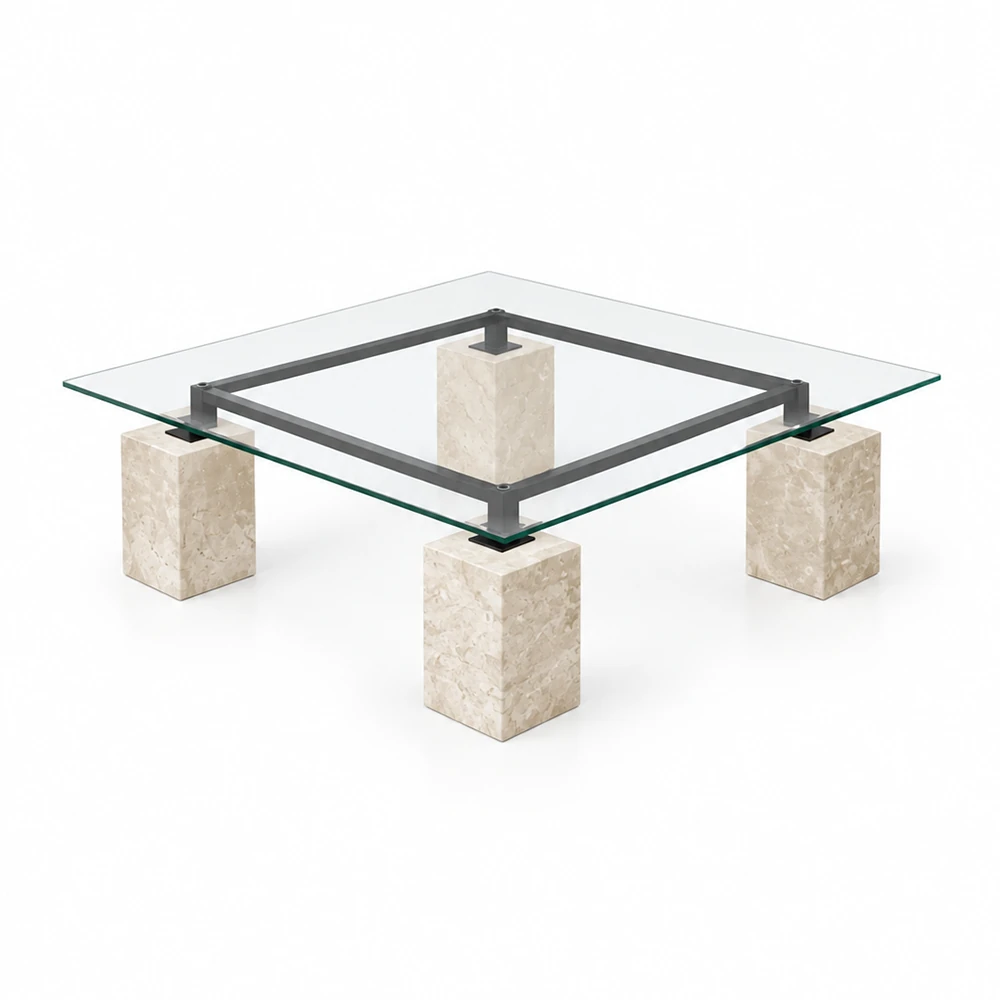
QAR 4,475
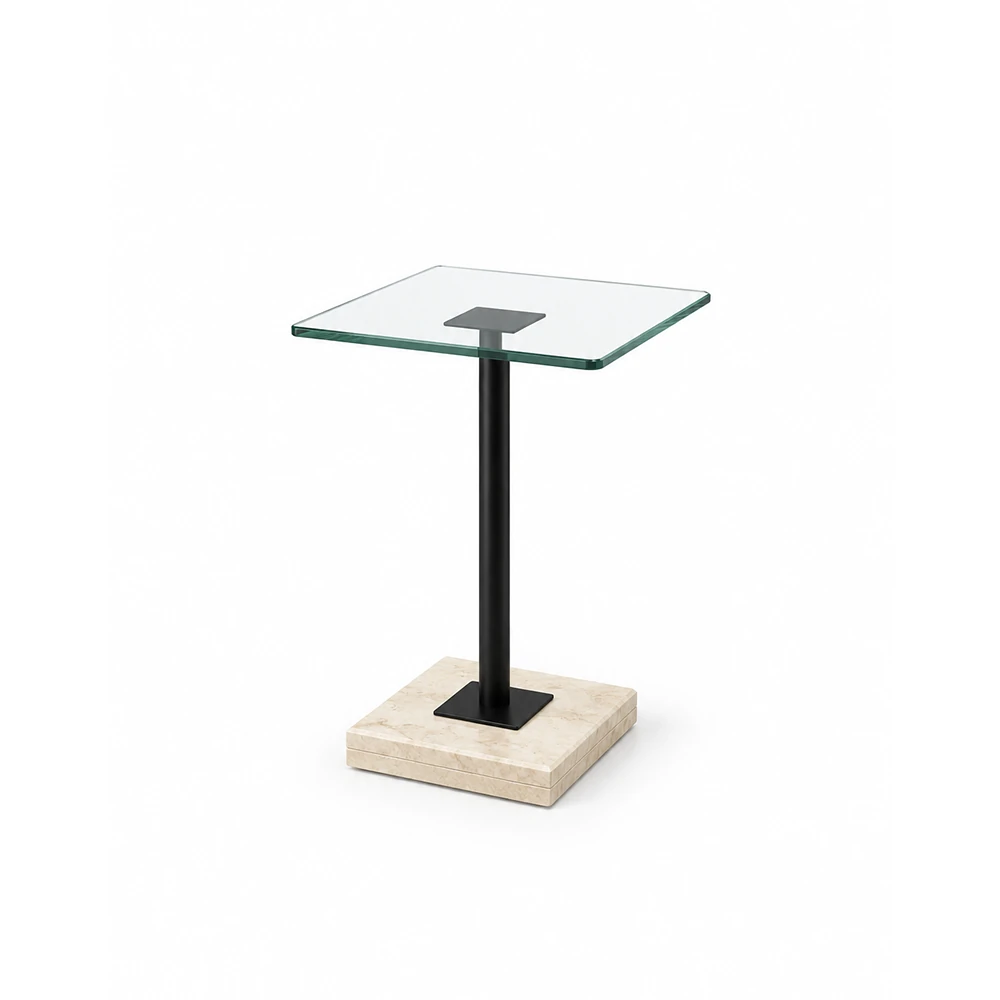
QAR 780
Completed projects using Stainless Steel
See how Stainless Steel has been used within completed work.

Discuss your stainless steel selection
Discuss the stainless surface you want and the conditions it will encounter. We can consider the grade and finish for your furniture or interior project in Qatar.